1. Importance of a Balanced Diet:
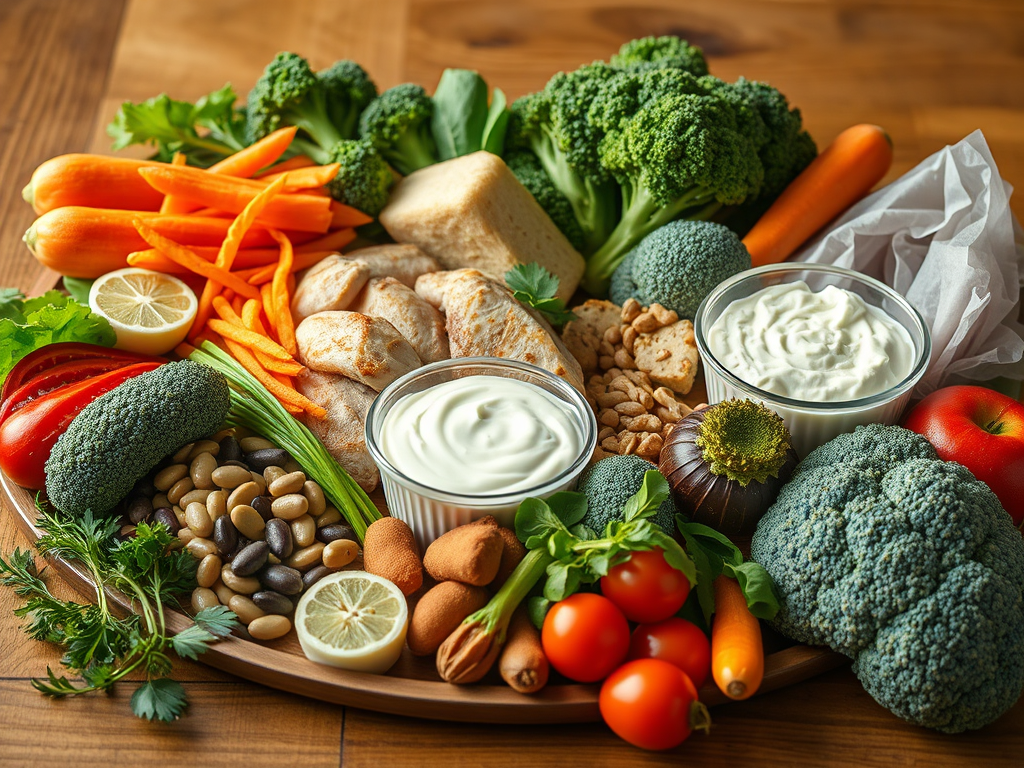
In old age, physical functions decline, and the risk of chronic diseases increases. Therefore, it is crucial to consume a balanced diet to ensure adequate intake of essential nutrients.
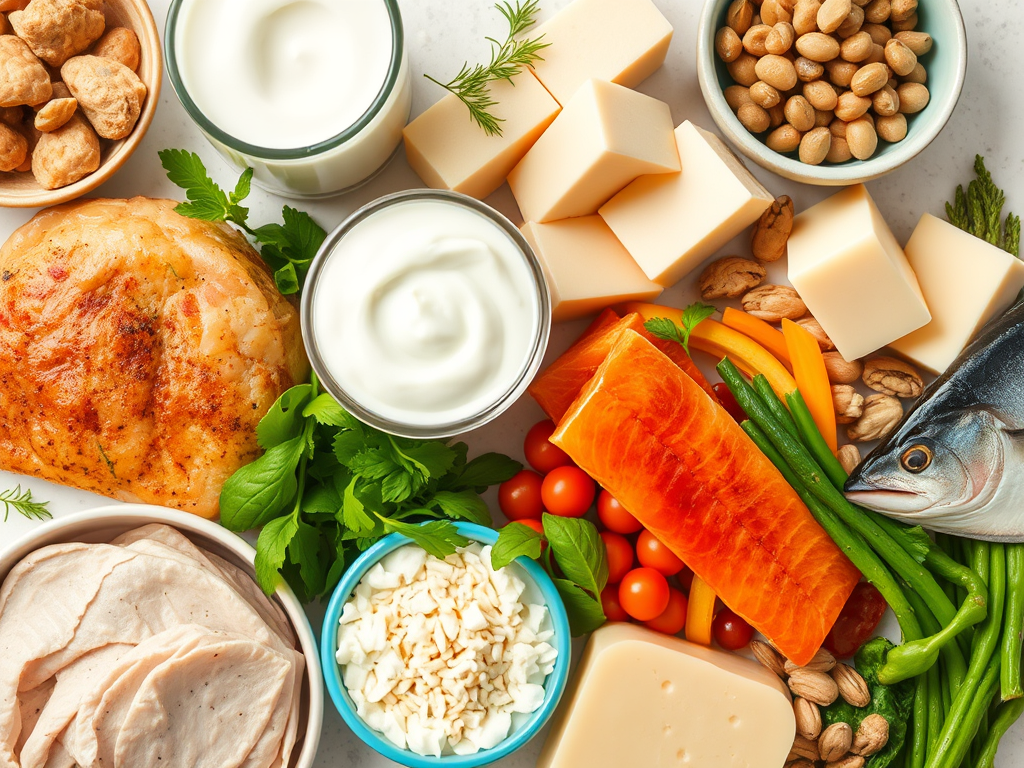
- High-Protein Foods: To prevent muscle loss and boost immunity, include chicken, fish, beans, and tofu in your diet.
- Calcium-Rich Foods: To maintain bone health and prevent osteoporosis, regularly consume milk, yogurt, cheese, and green vegetables.
- Healthy Fats: Include fatty fish rich in omega-3 fatty acids, nuts, and seeds to support cardiovascular health.
2. Meal Timing and Portion Control:
Irregular meal times and overeating can lead to digestive issues, blood sugar control problems, and weight gain. Maintain regular meal times and appropriate portion sizes for healthy eating habits.
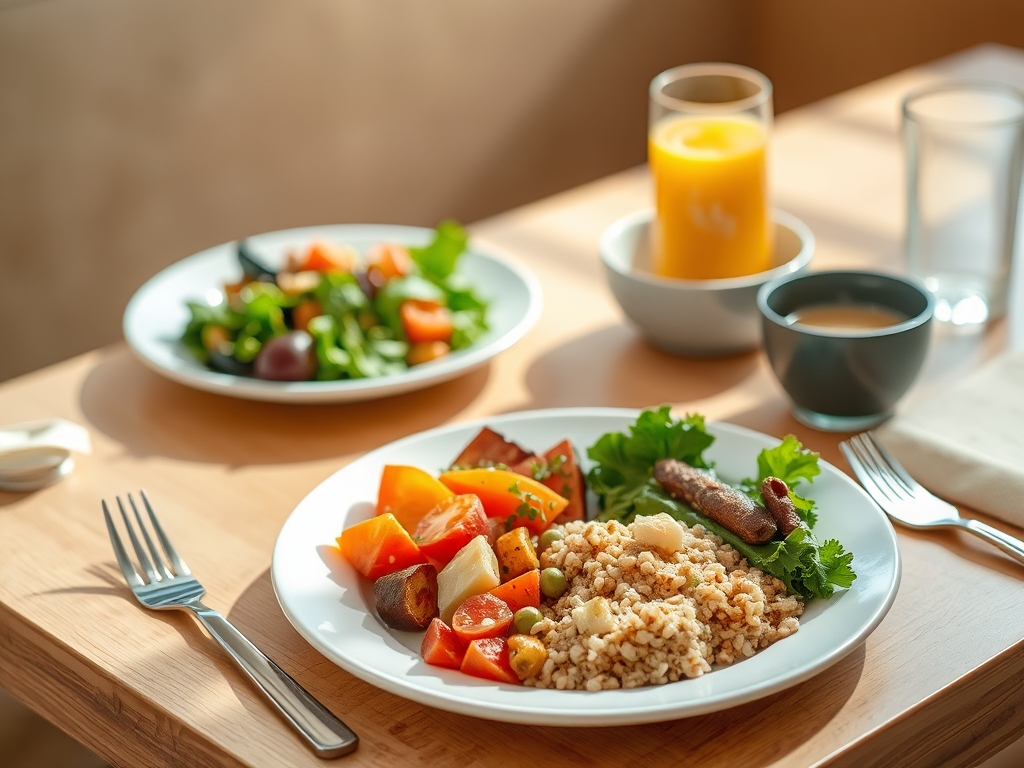
- Regular Meal Times: Eat at the same time every day to maintain your body rhythm and activate digestive functions.
- Appropriate Portion Sizes: Avoid overeating and stop eating when you feel full. Using smaller plates can help control portion sizes.
- Eat Slowly: Chewing food slowly aids digestion and helps you feel full faster.
- Stay Hydrated: Drink enough water before and after meals to aid digestion and prevent constipation.
3. High-Fiber Diet:
Older adults are more prone to constipation due to decreased bowel activity. A high-fiber diet can promote bowel movement and prevent constipation.
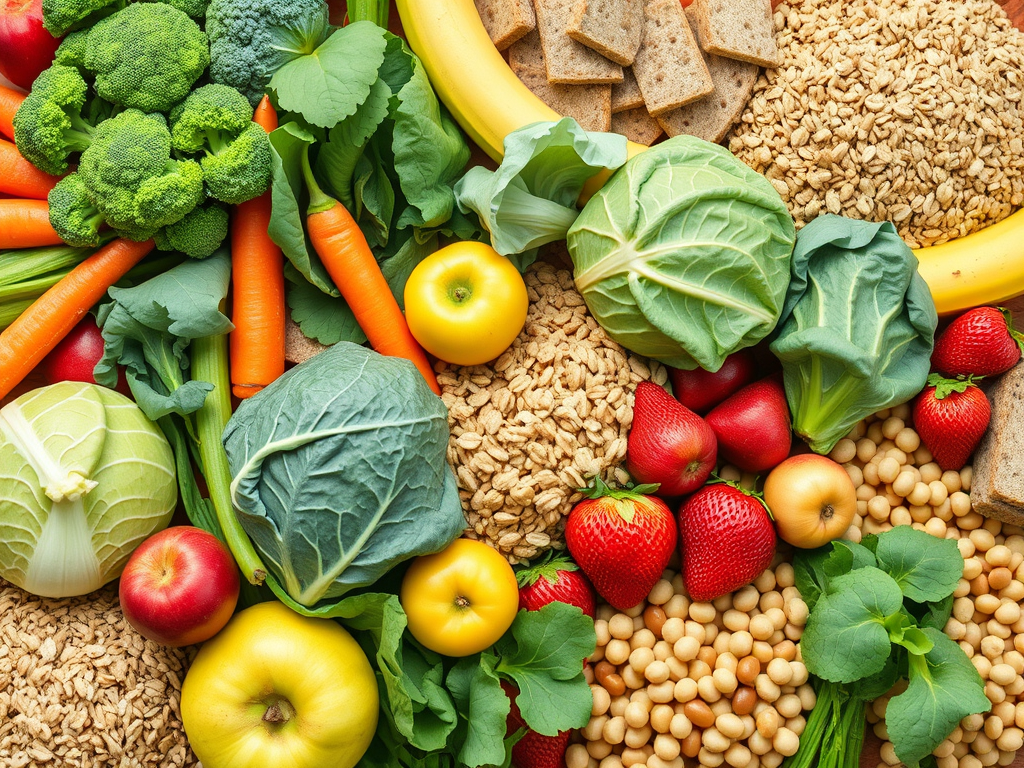
- Vegetables: Consume a variety of vegetables like broccoli, spinach, carrots, and cabbage for fiber, vitamins, and minerals.
- Fruits: Include fruits like apples, pears, bananas, and strawberries for fiber, vitamins, and antioxidants.
- Whole Grains: Opt for unrefined grains like brown rice, oats, and whole wheat bread for fiber, vitamins, and minerals.
- Legumes: Incorporate beans, lentils, and chickpeas for fiber, protein, and minerals.
4. Essential Nutrient Intake:
In old age, the absorption of certain nutrients may decrease, or the need for them may increase. Therefore, it is essential to ensure adequate intake of the following nutrients.
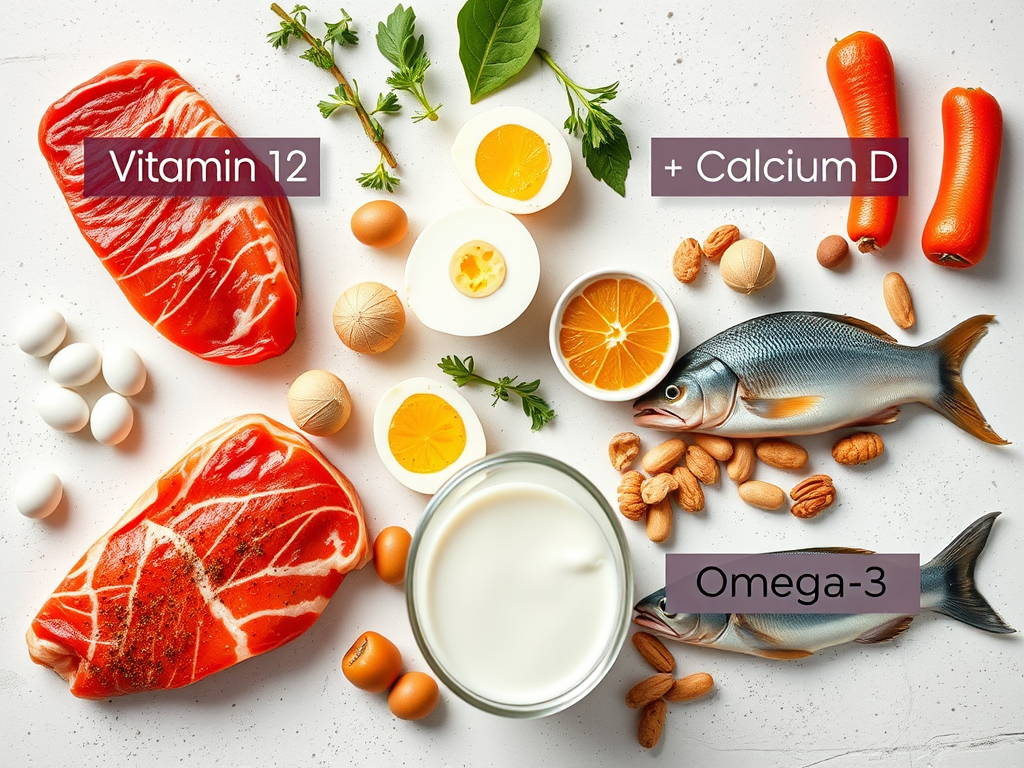
- Vitamin B12: Necessary for maintaining nerve function and blood production. Found in meat, fish, and dairy products, consider supplements if absorption is low.
- Vitamin D: Important for bone health and immune support. Get it from sunlight or foods like salmon, eggs, and consider supplements if needed.
- Calcium: Essential for bone health. Consume milk, yogurt, cheese, and green vegetables, and take vitamin D to enhance absorption.
- Omega-3 Fatty Acids: Beneficial for cardiovascular health and brain function. Found in fatty fish, nuts, and seeds.
5. Enjoying Flavor and Health:
The misconception that healthy diets are tasteless can be dispelled by using diverse recipes and cooking methods to enjoy nutritious meals.
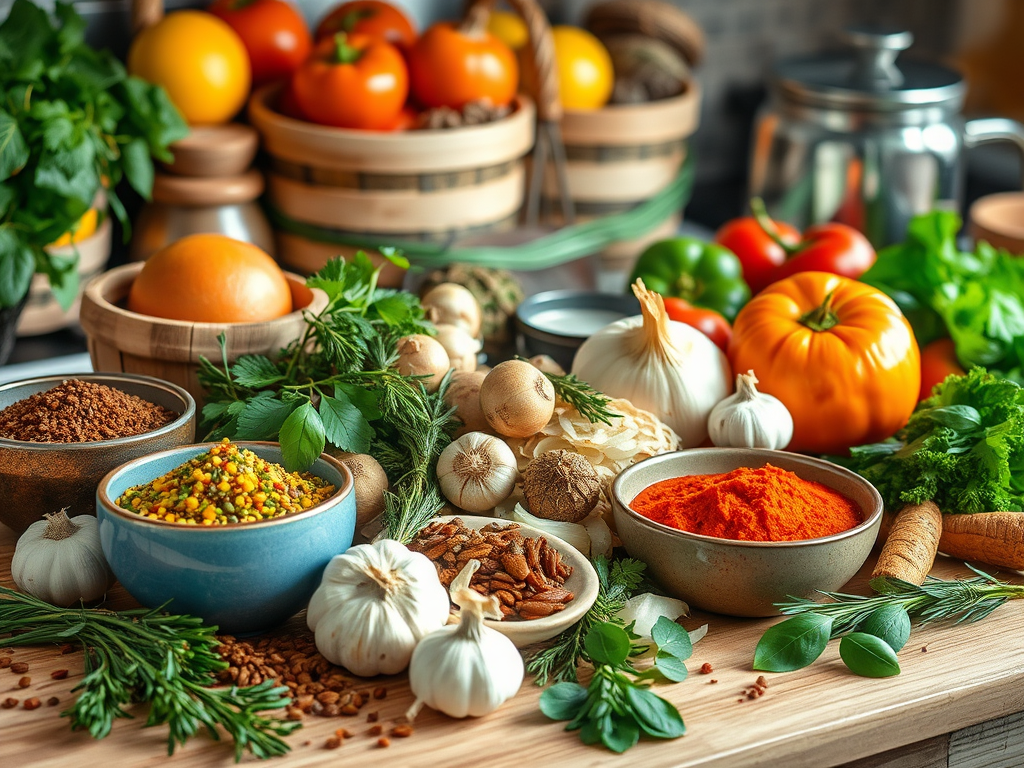
- Use Various Spices: Enhance flavor with herbs, spices, garlic, and onions while reducing sodium intake.
- Choose Healthy Cooking Methods: Opt for baking, steaming, or boiling to reduce fat intake.
- Use Fresh Ingredients: Incorporate seasonal fruits and vegetables for taste and nutrition.
- Develop Your Own Recipes: Create healthy and delicious recipes to enrich your diet.
I hope the healthy diet information shared today will be helpful for the vibrant lives of our elders. I encourage you to enjoy delicious and healthy meals with your loved ones, creating happy and healthy days together! 😊
 SilverLife
댓글 남기기